INTRODUCTION
Cardiovascular disease (CVD) is one of the leading causes of death among women across the world. Many women believe that heart disease mainly affects men, but this is a common misconception. In reality, women of all ages can develop heart-related conditions, especially if they have certain risk factors or unhealthy lifestyle habits. The good news is that many forms of cardiovascular disease can be prevented or managed with early diagnosis, regular health check-ups, and healthy lifestyle choices. Understanding the warning signs and knowing when to seek medical attention can make a significant difference in protecting heart health.
This blog explains the causes, types, risk factors, symptoms, prevention, and treatment of cardiovascular disease in women, helping you take proactive steps toward a healthier future.
WHAT IS CARDIOVASCULAR DISEASE (CVD)?
Cardiovascular disease refers to a group of conditions that affect the heart and blood vessels. These conditions can interfere with the heart's ability to pump blood efficiently or reduce blood flow to different parts of the body. CVD includes diseases such as coronary artery disease, heart attack, heart failure, stroke, arrhythmias, and peripheral artery disease. While some conditions develop slowly over several years, others can occur suddenly and become life-threatening without immediate treatment. Early diagnosis and proper medical care are essential for preventing serious complications.
WHY HEART DISEASE IS OFTEN CALLED THE "SILENT KILLER" IN WOMEN
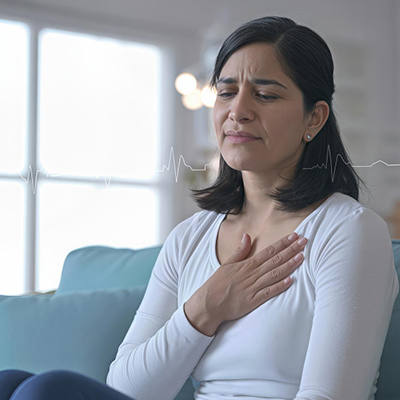
Heart disease is frequently referred to as the "silent killer" because many women experience mild or unusual symptoms that are easy to overlook. Unlike the dramatic chest pain often seen in men, women may experience fatigue, nausea, shortness of breath, dizziness, indigestion, or discomfort in the neck, jaw, shoulders, or back. These symptoms are often mistaken for stress, acidity, or exhaustion, causing many women to delay seeking medical attention. As a result, treatment may begin only after significant heart damage has already occurred.
Understanding these subtle warning signs is one of the most important steps toward early diagnosis and successful treatment.
WHY ARE WOMEN AT RISK OF HEART DISEASE?
Several factors contribute to heart disease in women. Hormonal changes, especially after menopause, increase the risk of developing high blood pressure and cholesterol problems. Lifestyle habits such as smoking, unhealthy eating, physical inactivity, obesity, and chronic stress further raise the risk. Medical conditions including diabetes, hypertension, thyroid disorders, and kidney disease also increase the chances of cardiovascular disease. Additionally, women experience unique health conditions related to pregnancy and hormonal changes that can influence heart health throughout life.
COMMON TYPES OF CARDIOVASCULAR DISEASE IN WOMEN
Coronary Artery Disease (CAD)
Coronary artery disease is the most common type of heart disease. It develops when fatty deposits, known as plaque, gradually build up inside the coronary arteries, reducing blood flow to the heart muscle. As the arteries become narrower, the heart receives less oxygen-rich blood, especially during physical activity or stress. Women with CAD may experience chest discomfort, shortness of breath, unusual fatigue, or pain in the jaw and shoulders. If left untreated, CAD can lead to a heart attack.
Heart Attack
A heart attack occurs when blood flow to a portion of the heart is suddenly blocked. In women, symptoms are often different from the classic crushing chest pain experienced by many men. Women may develop nausea, sweating, dizziness, upper back pain, or unexplained tiredness before or during a heart attack. Prompt emergency treatment is essential because restoring blood flow quickly reduces permanent heart damage. Early recognition greatly improves survival and recovery.
Heart Failure
Heart failure does not mean the heart has stopped working. Instead, it means the heart cannot pump blood effectively to meet the body's needs. This condition develops gradually and may result from long-standing high blood pressure, coronary artery disease, or previous heart attacks. Women with heart failure often notice swelling in the legs, fatigue, breathlessness, and difficulty performing daily activities. With proper treatment and lifestyle changes, many women can successfully manage the condition.
Arrhythmias
Arrhythmias are disorders affecting the heart's normal rhythm. The heart may beat too fast, too slow, or irregularly. Some arrhythmias are harmless, while others may increase the risk of stroke or sudden cardiac complications. Women may experience palpitations, dizziness, fainting, or chest discomfort. Diagnosis through electrocardiograms and heart monitoring helps determine the most appropriate treatment.
Stroke
A stroke occurs when blood supply to part of the brain is interrupted or when a blood vessel ruptures. Since the brain depends on continuous oxygen supply, even a brief interruption can cause permanent damage. Women may experience facial drooping, weakness on one side, speech difficulty, confusion, or sudden vision changes. Immediate medical care is critical because early treatment significantly improves recovery and reduces disability.
Peripheral Artery Disease (PAD)
Peripheral artery disease affects blood vessels supplying the legs and arms. It develops due to plaque buildup that restricts blood circulation. Women with PAD often experience leg pain while walking, numbness, slow-healing wounds, or cold feet. PAD also indicates an increased risk of heart attack and stroke because similar blockages may exist in other blood vessels. Early diagnosis allows timely treatment and better long-term outcomes.
RISK FACTORS FOR CARDIOVASCULAR DISEASE IN WOMEN
Several factors increase the likelihood of developing cardiovascular disease.
- High blood pressure
- High cholesterol
- Diabetes
- Smoking
- Obesity
- Physical inactivity
- Unhealthy diet
- Chronic stress
- Family history of heart disease
- Excessive alcohol consumption
The presence of multiple risk factors significantly increases the chance of heart disease.
WOMEN-SPECIFIC RISK FACTORS
Pregnancy Complications
Conditions such as preeclampsia, gestational diabetes, and pregnancy-induced hypertension increase the future risk of cardiovascular disease. Women with these complications should continue regular heart health monitoring even after childbirth.
Menopause
Estrogen provides some protection to the heart before menopause. After menopause, estrogen levels decline, increasing cholesterol levels, blood pressure, and the risk of artery disease.
Polycystic Ovary Syndrome (PCOS)
Women with PCOS commonly develop insulin resistance, obesity, and high cholesterol, all of which increase the risk of cardiovascular disease over time.
Autoimmune Diseases
Autoimmune disorders such as lupus and rheumatoid arthritis increase inflammation throughout the body, including blood vessels. Chronic inflammation accelerates artery damage and raises cardiovascular risk.
WARNING SIGNS OF HEART DISEASE IN WOMEN
Many women experience symptoms that are different from those commonly associated with heart disease.
Common warning signs include:
- Chest discomfort or pressure
- Shortness of breath
- Pain in the jaw, neck, shoulders, or upper back
- Extreme fatigue
- Nausea or vomiting
- Cold sweats
- Dizziness or fainting
- Swelling in the feet or ankles
Persistent or recurring symptoms should never be ignored.
WHY HEART DISEASE SYMPTOMS ARE DIFFERENT IN WOMEN
Women often develop blockages in smaller blood vessels rather than the major coronary arteries. Hormonal differences and variations in nerve responses also influence how symptoms appear. Instead of severe chest pain, women may experience subtle symptoms that gradually worsen over time. Because these symptoms resemble common health problems such as indigestion, anxiety, or fatigue, many women delay seeking medical attention. Greater awareness can help ensure earlier diagnosis and treatment.
TREATMENT OPTIONS
Treatment depends on the specific heart condition and its severity. Doctors usually recommend lifestyle modifications along with medications to control blood pressure, cholesterol, diabetes, and blood clot formation. Some patients may require minimally invasive procedures such as angioplasty and stent placement to restore blood flow. Others may benefit from pacemaker implantation or heart surgery when necessary. An experienced Interventional cardiologist in Vijayawada can recommend the most appropriate treatment based on individual clinical findings.
HOW WOMEN CAN PREVENT HEART DISEASE
Prevention remains the most effective way to reduce cardiovascular risk. Healthy habits include maintaining a balanced diet, exercising regularly, avoiding tobacco products, limiting alcohol intake, controlling stress, maintaining a healthy body weight, and managing existing medical conditions. Regular screening for blood pressure, cholesterol, and blood sugar also plays an important role in prevention.
Women with a family history of heart disease should discuss personalized prevention strategies with a qualified Heart specialist in Vijayawada before symptoms develop.
HEART-HEALTHY LIFESTYLE TIPS FOR EVERY STAGE OF LIFE
Protecting your heart should begin early and continue throughout life. Young women should focus on regular physical activity, healthy nutrition, and avoiding smoking. During pregnancy, routine medical care helps identify conditions that may affect future heart health. Middle-aged women should monitor blood pressure, cholesterol, and blood sugar regularly. Older women should continue routine health screenings, remain physically active, and take medications exactly as prescribed. These simple measures help maintain a healthy heart for years to come.
WHEN SHOULD YOU CONSULT A CARDIOLOGIST?
Do not wait until symptoms become severe before seeking medical care. Women should consult a Cardiologist in Vijayawada if they experience persistent chest discomfort, breathlessness, unexplained fatigue, dizziness, palpitations, swelling of the legs, or have multiple cardiovascular risk factors. Regular cardiac evaluations are especially important for women with diabetes, hypertension, high cholesterol, or a family history of heart disease.
WHY CHOOSE Dr. SWARAJYAM VEERAMACHANENI FOR WOMEN'S HEART CARE?
Women's heart health requires a personalized approach because symptoms, risk factors, and treatment needs often differ from those of men. Dr. Swarajyam Veeramachaneni provides comprehensive evaluation, advanced diagnostic services, and evidence-based treatment plans designed specifically for women's cardiovascular health. Patients receive compassionate care, detailed risk assessment, preventive guidance, and modern treatment options aimed at improving long-term heart health. Individuals seeking the Best cardiac doctor in Vijayawada for preventive care, diagnosis, and advanced cardiac treatment can benefit from a patient-centered approach focused on early intervention and lasting wellness. Women requiring emergency cardiac evaluation also benefit from consultation with a Heart attack specialist in Vijayawada when rapid diagnosis and treatment are essential.
CONCLUSION
Cardiovascular disease remains one of the most significant health challenges for women, but it is also one of the most preventable. Recognizing early symptoms, understanding personal risk factors, and maintaining a heart-healthy lifestyle can greatly reduce the likelihood of serious complications. Routine medical check-ups, timely diagnosis, and appropriate treatment play a vital role in protecting your heart throughout every stage of life. Never ignore persistent symptoms or assume they are simply due to stress or aging.
Your heart deserves the same attention as every other aspect of your health. If you experience warning signs such as chest discomfort, unusual fatigue, breathlessness, dizziness, or have multiple risk factors for heart disease, schedule a comprehensive cardiac evaluation without delay. Early diagnosis and personalized treatment can help prevent complications, improve your quality of life, and keep your heart healthy for years to come.
Frequently Asked Questions (FAQs)
1. What are the early signs of cardiovascular disease in women?
Early symptoms may include unusual fatigue, shortness of breath, chest discomfort, jaw pain, dizziness, nausea, or swelling in the feet. Symptoms vary from person to person.
2. Can young women develop heart disease?
Yes. Although risk increases with age, obesity, diabetes, smoking, high blood pressure, and inherited conditions can cause heart disease even in younger women.
3. How often should women have heart check-ups?
Women should undergo regular health evaluations based on their age, medical history, and individual risk factors. Those with existing medical conditions may require more frequent assessments.
4. Does menopause increase heart disease risk?
Yes. Reduced estrogen levels after menopause increase the risk of developing high cholesterol, hypertension, and coronary artery disease.
5. Can cardiovascular disease be prevented?
Many cases can be prevented through healthy eating, regular exercise, avoiding smoking, maintaining a healthy weight, controlling chronic illnesses, and scheduling regular medical check-ups.